Why Students Use Our Guidance
- Content checked against IAI, FEPAC and BLS sources
- Program listings checked against institutional accreditation records, with FEPAC programmatic accreditation noted where it applies
- Wage and job outlook data from the U.S. Bureau of Labor Statistics
Quick Navigation
Key takeaway:
CrimeSceneInvestigatorEDU.org is a forensic science career resource maintained by its editorial staff, with requirements checked against primary sources. We provide fact-checked guidance on education programs, certifications, and career paths in criminal justice and forensic science.
Our Mission & Purpose
At CrimeSceneInvestigatorEDU.org, we bridge the gap between aspiring forensic professionals and their career goals, helping students navigate the complex landscape of CSI and forensic science education.
The field of forensic science has undergone dramatic transformation with advances in DNA analysis, digital forensics, and crime scene technology. Our mission is to provide clear, accurate, and actionable guidance for students entering this evolving field. We understand that choosing the right educational path is crucial for your career success.
We focus on three core objectives: connecting students with accredited programs that match their career goals, providing current salary and job outlook data from official sources, and pointing you to the certifying bodies themselves.
Writers Who Have Contributed
Over the years, these writers helped build CrimeSceneInvestigatorEDU.org, turning certification rules, accreditation standards, and career research into guides students could use. Today our content is produced and updated by our editorial staff, who check requirements against the certifying and accrediting bodies directly, following our editorial standards.

Dr. Helga George
Dr. George turned to writing about education and healthcare after a research career in plant biology. She holds a BS in Agriculture and a PhD in Plant Pathology from Cornell University and an MS in Plant Pathology from the University of Massachusetts Amherst, and she conducted postdoctoral research at the University of California, Santa Barbara.

Susan Maphis
Susan is a longtime freelance writer and editor who writes for education and career guidance websites. Her work spans newspaper reporting, press releases, academic and technical articles, and healthcare, mental health, and career content. She holds a BA in psychology from West Chester University.

Rebecca Turley
Rebecca is a full-time writer and editor with a BA in Journalism and Communications. Her career highlights include ghostwriting several published books, editing for a national book publishing company, and writing for many high-profile websites and blogs aimed at the education, healthcare, and social sciences fields.
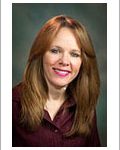
Sandra Meyer
Sandra graduated summa cum laude with a degree in English from the New York Institute of Technology and works as a freelance writer specializing in blogs, content articles, and business profiles.
How We Handle School Recommendations
When researching forensic science schools and career paths, it is essential to have access to reliable and unbiased information. Here’s how we handle it:
Transparency & Independence
We receive compensation through affiliate partnerships with schools, and some schools pay for featured placement on our pages. Our goal is to keep editorial guidance separate from paid placements: sponsored programs are identified, and our rankings follow the methodology described below. Learn more in our terms of use.
Editorial Standards & Process
Our content goes through a review process designed to keep it accurate and relevant for aspiring CSI professionals.
Our Editorial Process
- Research & Data Collection: We gather information from authoritative sources, including the U.S. Bureau of Labor Statistics, the National Institute of Justice, and accredited educational institutions.
- Fact-Checking: Statistics, requirements, and program information are checked against primary sources before publication.
- Editorial Review: Our editorial staff reviews all content for clarity and accuracy.
- Updates: Content is updated when educational requirements, certification standards, or career outlooks change.
Everything we publish follows our editorial standards: where our facts come from, how we use AI, and how each article is fact-checked by a person before it’s published.
If you find something that looks outdated, tell us. Reach us at [email protected].
Resources We Provide
We offer resources tailored to different stages of your forensic science career journey:
For Prospective Students
- School Rankings: Reviews of accredited CSI and forensic science programs
- Cost Comparisons: Tuition rankings to help you find affordable programs
- Degree Guides: Clear explanations of associate, bachelor’s, and master’s degree paths
- Financial Aid Resources: Information on scholarships, grants, and funding options
For Career Seekers
- Career Profiles: Guides to forensic specializations, from DNA analysis to ballistics examination
- Salary Data: National and state wage data and employment projections for forensic science technicians from BLS. These figures cover the broader occupation and may not reflect every forensic specialty.
- Certification Guides: Professional credentials from organizations such as the International Association for Identification (IAI) and the American College of Forensic Examiners Institute (ACFEI). Professional certification is distinct from government licensing, so verify each credential’s current requirements and recognition with its issuing organization and your employer or state agency.
- Job Search Resources: Tips for finding and landing CSI positions
Data Sources & Methodology
These are the primary sources we rely on for each type of information:
| Data Type | Primary Source |
|---|---|
| Salary Information | U.S. Bureau of Labor Statistics (Forensic Science Technicians, SOC 19-4092) |
| School Accreditation | U.S. Department of Education DAPIP (institutional); FEPAC (forensic science programs) |
| Certification Requirements | IAI, ACFEI, State Agencies |
| Program Costs | College Navigator, School Websites |
How We Select and Rank Programs
We evaluate schools using institutional accreditation information from the U.S. Department of Education’s Database of Accredited Postsecondary Institutions and Programs (DAPIP). Where applicable, we separately identify specialized programmatic accreditation from the Forensic Science Education Programs Accreditation Commission (FEPAC). Institutional accreditation does not necessarily mean that a school’s forensic science program is FEPAC-accredited.
Our school rankings consider multiple factors:
- Accreditation Status: Institutional accreditation, plus FEPAC accreditation where it applies
- Cost-Effectiveness: Tuition rates compared to average starting salaries
- Curriculum Quality: Alignment with industry standards and certification requirements
- Student Support: Career services and internship opportunities
Frequently Asked Questions
How does CrimeSceneInvestigatorEDU.org make money?
We receive compensation through affiliate partnerships when students request information from schools featured on our site, and some schools pay for featured placement. We aim to keep editorial content separate from paid placements, and our rankings follow the methodology described on this page.
Are your team members really certified CSI professionals?
Our editorial team are researchers and writers, not working crime scene investigators. We check certification and program requirements against the IAI, FEPAC and state agencies directly.
How often is your content updated?
We update content when significant changes occur in educational requirements, certification standards, or career outlooks. Salary data is updated when new BLS statistics are released.
Can I trust your school rankings?
Our rankings are based on stated criteria including accreditation status, program costs, and curriculum. We check institutional accreditation and explain our methodology on this page.
Do you offer personalized career advice?
While we provide guides and resources, we recommend consulting with academic advisors at specific schools for personalized guidance. Our content provides general information applicable to most students interested in pursuing a career in forensic science.
Why should I use your site instead of contacting schools directly?
We provide comparisons across multiple institutions, helping you evaluate options efficiently. Our research and career guides offer context that individual school sites may not provide.
How do you verify the accuracy of your information?
We check information against primary sources, including the certifying and accrediting bodies, government data, and the schools themselves. Our editorial standards call for a person to fact-check content before publication, and we update it when requirements change.
Are all forensic science programs the same?
No. Programs vary significantly in focus, depth, and career preparation. Some emphasize laboratory work, while others focus on crime scene investigation. We help you understand these differences to choose the right fit for your career goals.
Key Takeaways
- Our editorial team checks requirements against the IAI, FEPAC and BLS directly
- We review accredited forensic science and criminal justice programs using stated criteria
- Our editorial standards call for human fact-checking and updates when requirements change
- We provide transparent information about our funding and methodology
- Our resources cover each stage, from education to career advancement
Ready to start your forensic science career? Explore our guides to CSI careers and find the right educational path for your goals.